
From a wrestler with cauliflower ears to ill-used dance hall girls to everyday citizens eager to better their lives, author Joe Pappalardo shares his experience researching and writing about Borger, Texas, and its lively residents for his book, Boomtown.
Writing a book is like choosing a new place to live. Any author knows they’ll be spending a lot of time in that setting, immersed in a time and place for months or years. It can be pleasant or traumatic, depending on the era and events.
I chose to write about the little-known town of Borger, Texas, during its first chaotic, bloody years of existence. Land speculator Asa “Ace” Borger founded his namesake, following a tip about a new oil discovery and selling plots of empty land. Within nine weeks, 30,000 people moved there under the mayoral administration of Ace’s business partner, John Miller, and thoroughly corrupt law enforcement on the city and county level.
This boomtown birth coincided with the lawlessness of the Prohibition era, and Borger saw its share of bootlegging, turf war, and revenge murder. Thousands of prostitutes also worked in Borger, speakeasies operated brazenly, and gambling houses were rampant. Ace Borger’s earlier start-up towns in Oklahoma were equally permissive–rampant vice was a feature, not a bug, of his new towns. Underworld action produced kickbacks to the politicians and swelled the population.
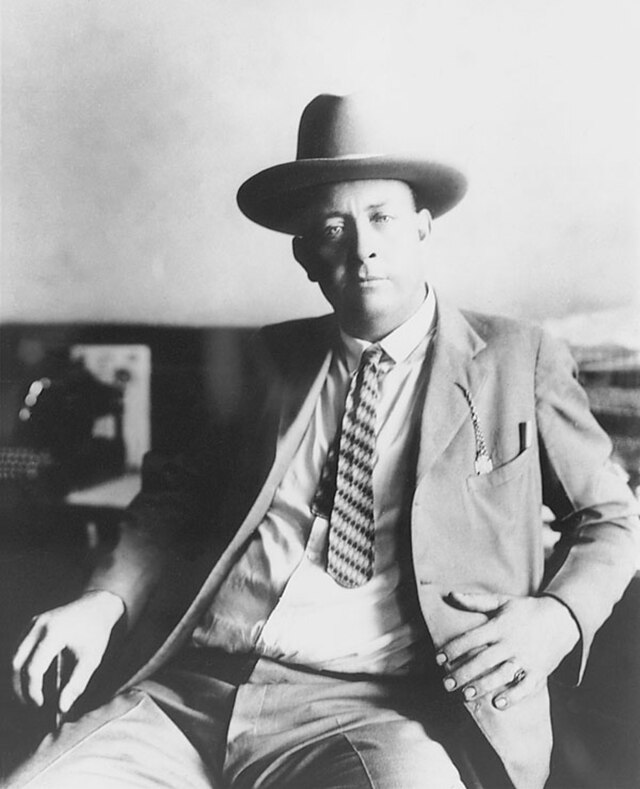
I was attracted by the idea of legendary Texas Ranger Frank Hamer trying to tame this outlaw town, as the Governor ordered him to do in 1927. I knew it would be a grim, ribald tale, but I underestimated the violence that prompted the state intervention. A spate of murders in the span of weeks, topped by the killing of three police officers, prompted the Texas Ranger intervention.
Fun-loving vice produced real victims, from an ill-used dancehall girl to an orphan adopted only to work at bootlegger stills. The Ranger intervention became a quagmire, with their violent interactions with local lawmen and media producing criminal charges against the Rangers and scandals in Austin. Presumed “good guy” politicians were revealed as being just as bad as their predecessors.
But Borger itself was more than I expected, in a good way. Behind the revelry and violence were citizens eager for a chance at better lives. I didn’t expect to encounter Mattie Castleberry, owner of the White Way Dance Hall, aspiring to rise above the muck and become a (more or less) legitimate social venue. On the city of Borger’s first birthday, she baked the massive ceremonial cake.
I didn’t expect to meet Herman “Dutch” Betke, a local wrestler they called “The Apeman of the Panhandle.” He moved to Borger with his wife to build oil rigs, putting his travelling catch-wrestler aside for a more sedentary life. But Borger was all about the entertainment, and he became the leading local talent. His marketing angle focused on his battered face, cauliflower ears, and thick eyebrows. Over time, his venue and status faced challengers, forcing him to fight in the ring for his place in town.
The “wicked” boomtown also offered a second chance for many of its more placid residents, something that became clear with each anecdote. The local baker was a failed banker who rebuilt his reputation as a businessman selling bread and is eventually tapped to head the local bank in Borger. Elizabeth Borger, Ace’s wife, was focused on opening a school for the citizenry. Freelance firefighter Tex Thorton is ranging across the county, dropping explosive charges into raging oil well fires, building his reputation as a pioneering legend.
These stories helped balance the horror and cynicism of Borger’s criminal face. People in the 1927 knew the city had two personalities: they called it Borger by day and Boogertown by night. It was a pleasure to discover the real characters behind the phrase, those who chased legitimate aspirations, dreams often bedeviled by the nocturnal mayhem.
I only hope readers have as much fun exploring Borger as I did, from the back alleys to the schoolhouse, and meeting the forgotten Texans who lived through the turmoil. Welcome to Borger. Come for the crime, stay for the wrestling.
